Bariatric Surgery
Contact Information
65 Nielson St, #125, Watsonville, CA 95076
(831) 768-6266 | FAX: (831) 288-0897
Surgical Options for the Treatment of Obesity
Comprehensive, evidence-based surgical care for adults living with obesity and related medical conditions, with long-term support and individualized treatment plans.
Understanding Obesity
Obesity is a chronic, relapsing medical disease influenced by a complex interaction of biological, genetic, and environmental factors. It is not a matter of willpower or personal failure. The body’s systems that regulate weight, appetite, and metabolism can work against sustained weight loss, making obesity difficult to manage with lifestyle changes alone.
When obesity leads to serious health conditions or when non-surgical treatments have not been effective, bariatric surgery may be considered as part of a comprehensive treatment plan.
Health Conditions Linked to Obesity
Obesity increases the risk of developing several serious medical conditions. Surgical treatment may help reduce these risks and improve overall health. Common obesity-related conditions include:
- Type 2 Diabetes and Insulin Resistance
- High blood pressure and cardiovascular disease
- Obstructive sleep apnea
- Non-alcoholic fatty liver disease
- Joint disease and mobility limitations
- Gastroesophageal reflux disease
When Surgery Is Considered
Bariatric surgery is not appropriate for everyone with obesity. Surgery may be considered when:
- Body Mass Index (BMI) is 40 or higher, or BMI is 35 or higher with obesity-related health conditions.
- Non-surgical weight management approaches have not led to sustained improvement.
- You are willing to commit to lifelong dietary changes and medical follow-up.
- You have realistic expectations about outcomes and understand the risks.
Each patient is evaluated individually. Surgery is one tool in the comprehensive treatment of obesity, not a quick fix or easy solution. Success requires ongoing commitment and lifestyle modification.
Surgical Treatment Options
We offer evidence-based bariatric procedures tailored to your medical needs and goals.
Sleeve Gastrectomy
This procedure involves removing a portion of the stomach, creating a smaller, sleeve-shaped stomach. It reduces how much food you can eat at one time and may affect hunger hormones. Most procedures use minimally invasive techniques.
Gastric Bypass
This procedure creates a small stomach pouch and reroutes a portion of the small intestine. It limits food intake and reduces calorie absorption. Bypass may be particularly helpful for patients with severe reflux or type 2 diabetes.
The choice of procedure depends on your medical history, anatomy, existing health conditions, and treatment goals. We will discuss which option may be most appropriate for you.
Expected Outcomes
Weight Loss
Most patients lose a significant amount of weight in the first one to two years after surgery. The amount varies by individual, procedure type, and adherence to dietary and lifestyle recommendations. Weight regain is possible, especially if patients do not follow nutritional guidelines.
Health Improvement
Many patients experience improvement in obesity-related conditions such as type 2 diabetes, high blood pressure, and sleep apnea. Individual results vary, and not all conditions resolve completely. Surgery is part of a comprehensive approach that includes long-term medical follow-up.
Lifestyle Commitment
Long-term success requires permanent changes to eating habits, regular physical activity, vitamin supplementation, and ongoing medical monitoring. Surgery changes your anatomy but does not eliminate the need for healthy behaviors.
What To Expect
Preoperative Evaluation
Before surgery, you’ll undergo a comprehensive evaluation that may include medical clearance, nutritional counseling, psychological assessment, and education about the procedure and lifestyle changes. This process helps ensure you are prepared for surgery and long-term success.
Hospital Stay
Most bariatric procedures require a one- to two-day hospital stay. You’ll start with clear liquids and advance your diet gradually according to a structured plan. We’ll provide pain management and education before discharge.
Recovery
Most patients return to light activities within two to three weeks and resume normal activities within four to six weeks. You’ll follow a staged diet plan, starting with liquids and progressing to solid foods over several weeks. Regular follow-up visits are essential to monitor your progress, adjust medications, and provide ongoing support.
Why Choose Our Practice?
Surgeon-led care with individualized treatment planning. Evidence-based approach aligned with ASMBS, IFSO, and NIH guidelines. Coordination with nutritionists, psychologists, and your primary care team. Commitment to long-term follow-up and comprehensive support.
Patient Forms
Health Questionnaire
Patient Information Form
Bariatric 1st Visit Checklist
Bariatric Surgery Discharge Instructions
Bariatric Surgery Support Group
Bariatric Surgery Timeline
Bariatric Vitamins
Extended Blood Thinner Therapy
Our Providers
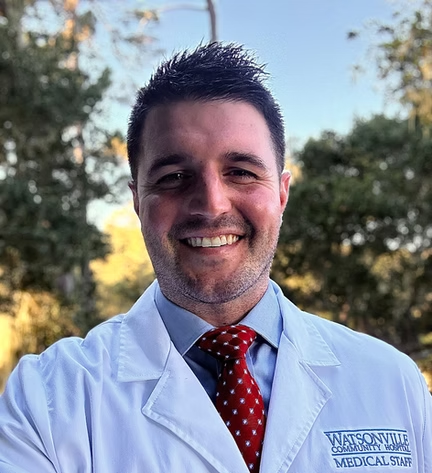
Rob Allen, MD